 News about the Technical University of Crete RSS feed
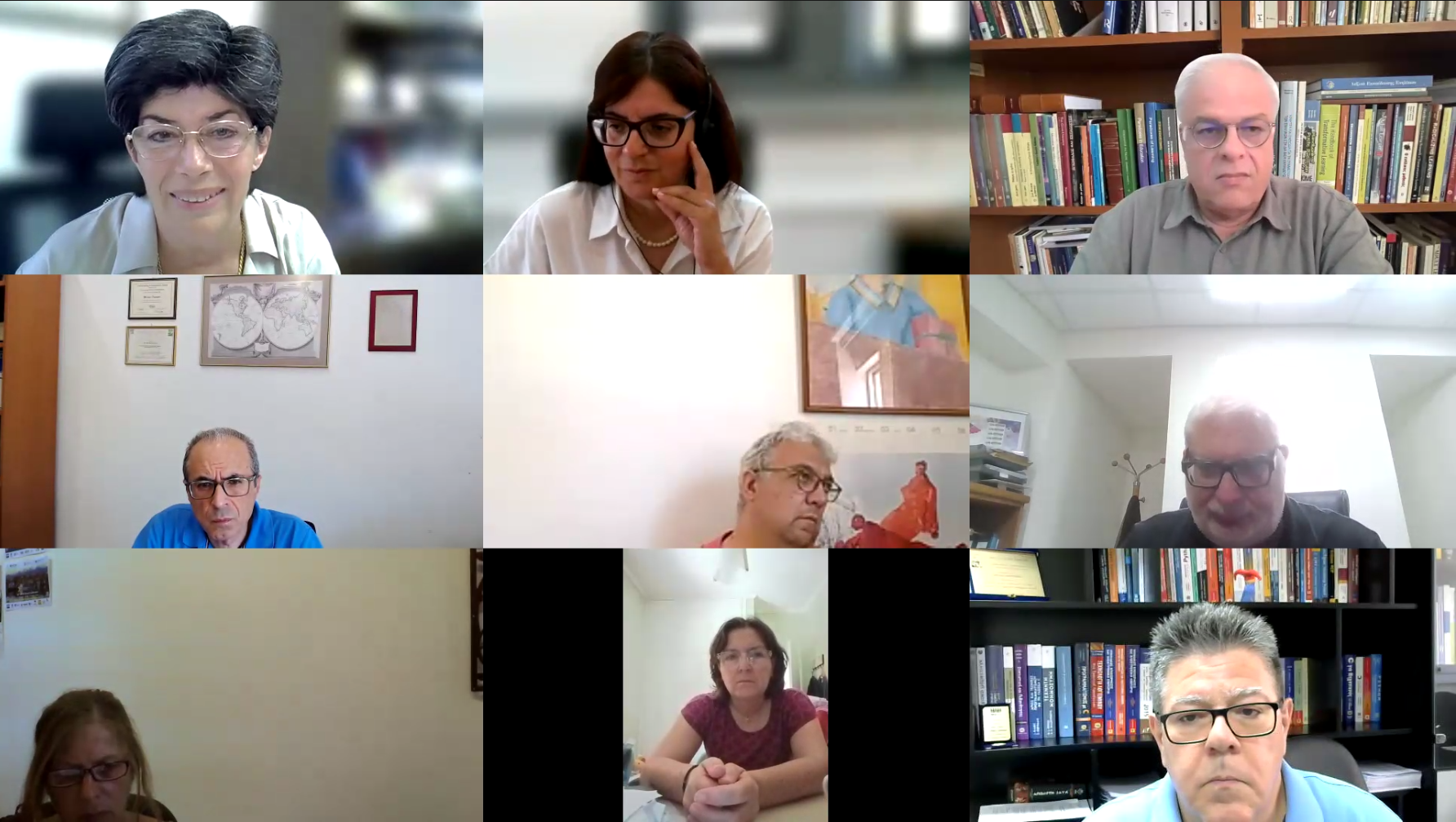
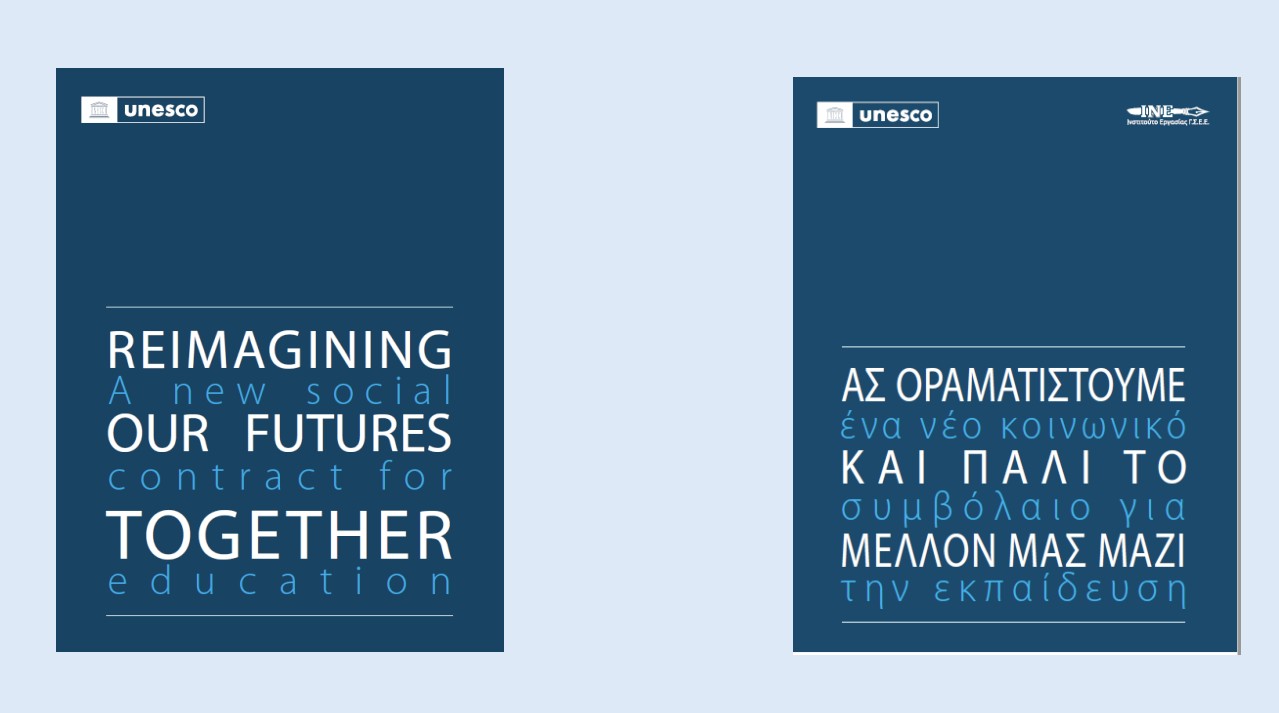
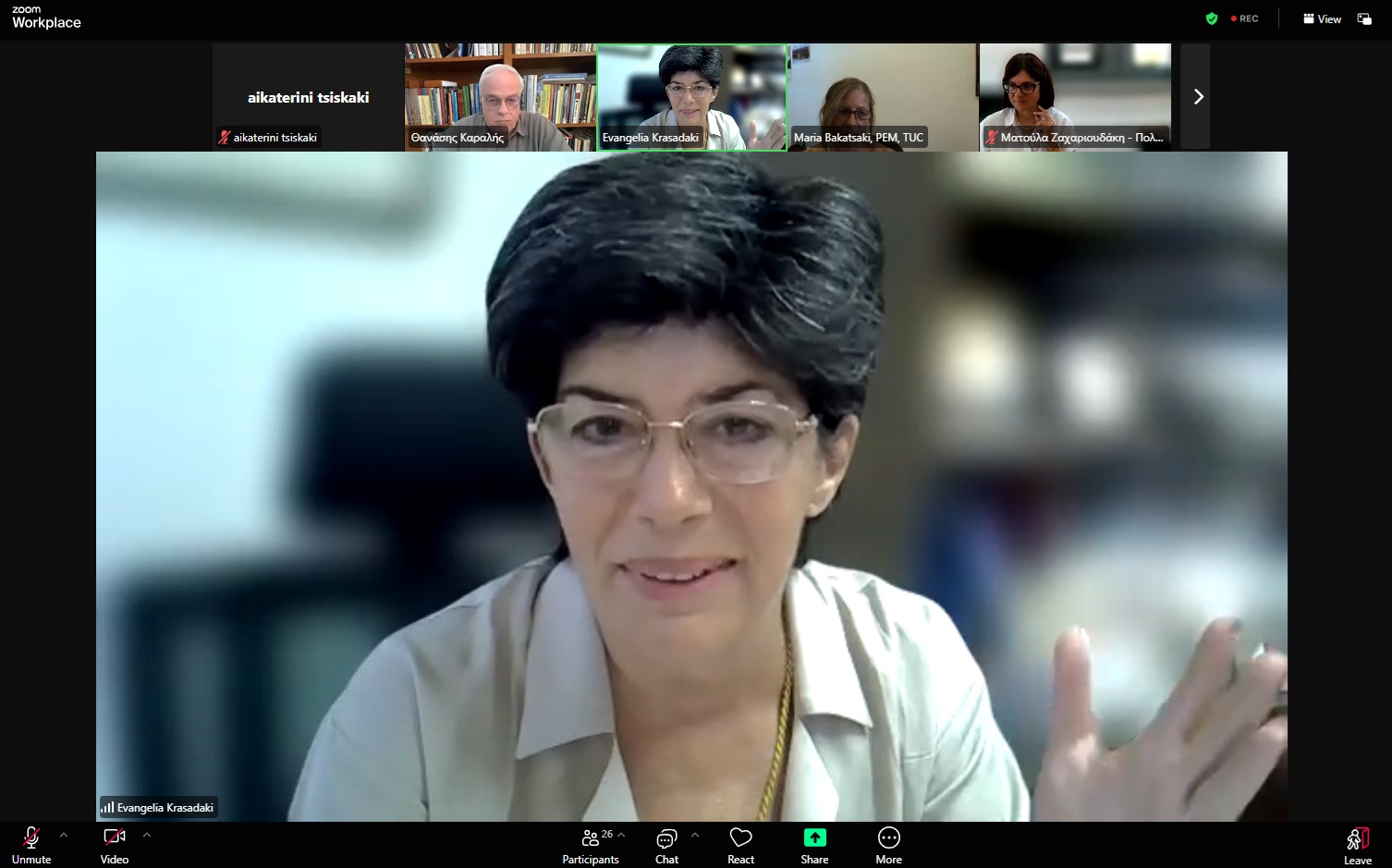
The online event organized by the Teaching and Learning Support Center (KEDIMA) of the Technical University of Crete, in collaboration with the Labor Institute of GSEE (INE GSEE), was successfully held on Friday, June 12, 2026. The event focused on the presentation of the Greek edition of UNESCO’s report on the future of education up to 2050, titled “Reimagining Our Futures Together: A New Social Contract for Education.”
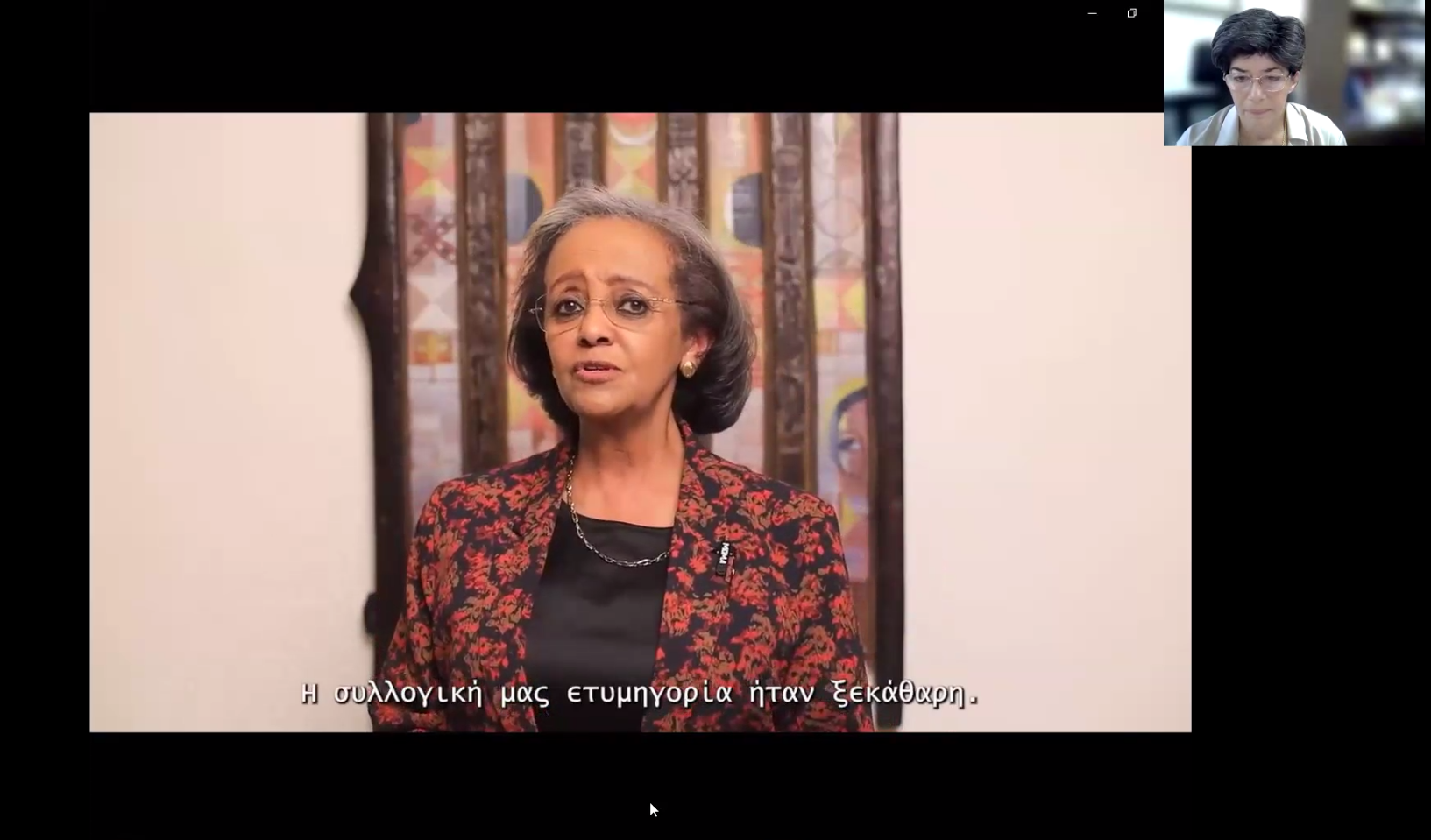
The event opened with a recorded message from Sahle-Work Zewde, Chair of the International Commission on the Futures of Education and former President of the Federal Democratic Republic of Ethiopia.
Opening remarks followed from Professor Konstantinos Alketas Oungrinis, Vice Rector for Research and Innovation of the Technical University of Crete (and newly elected Rector), Dr. Evangelia Krasadaki, Coordinator of KEDIMA, and Dr. Christos Goulas, Director General of INE and KANEP GSEE, whose written message was read during the event.
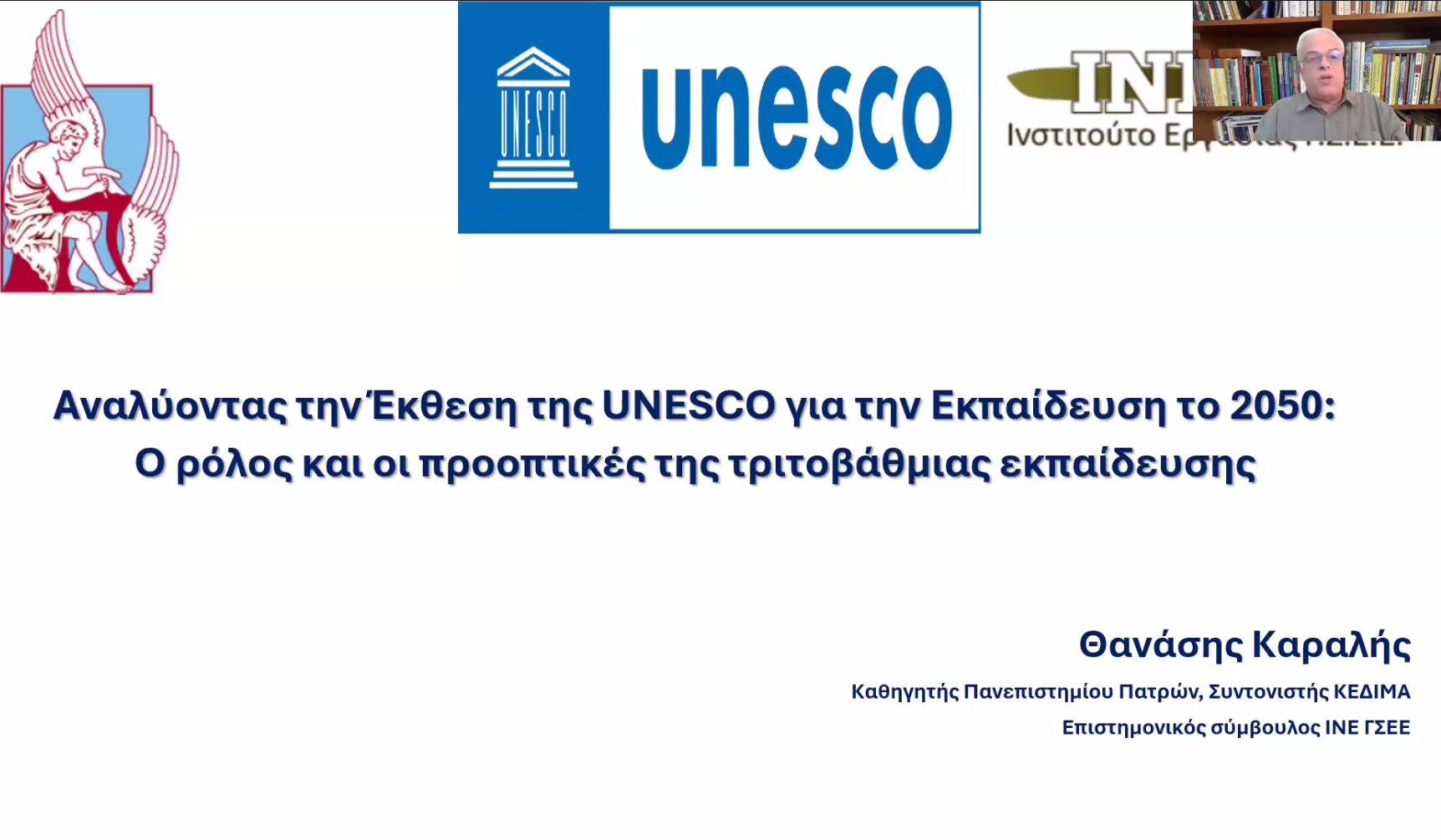
The keynote speaker was Thanasis Karalis Professor at the University of Patras, Coordinator of the University of Patras Teaching and Learning Support Center (KEDIMA), and Scientific Editor of the Greek edition of the UNESCO Report.
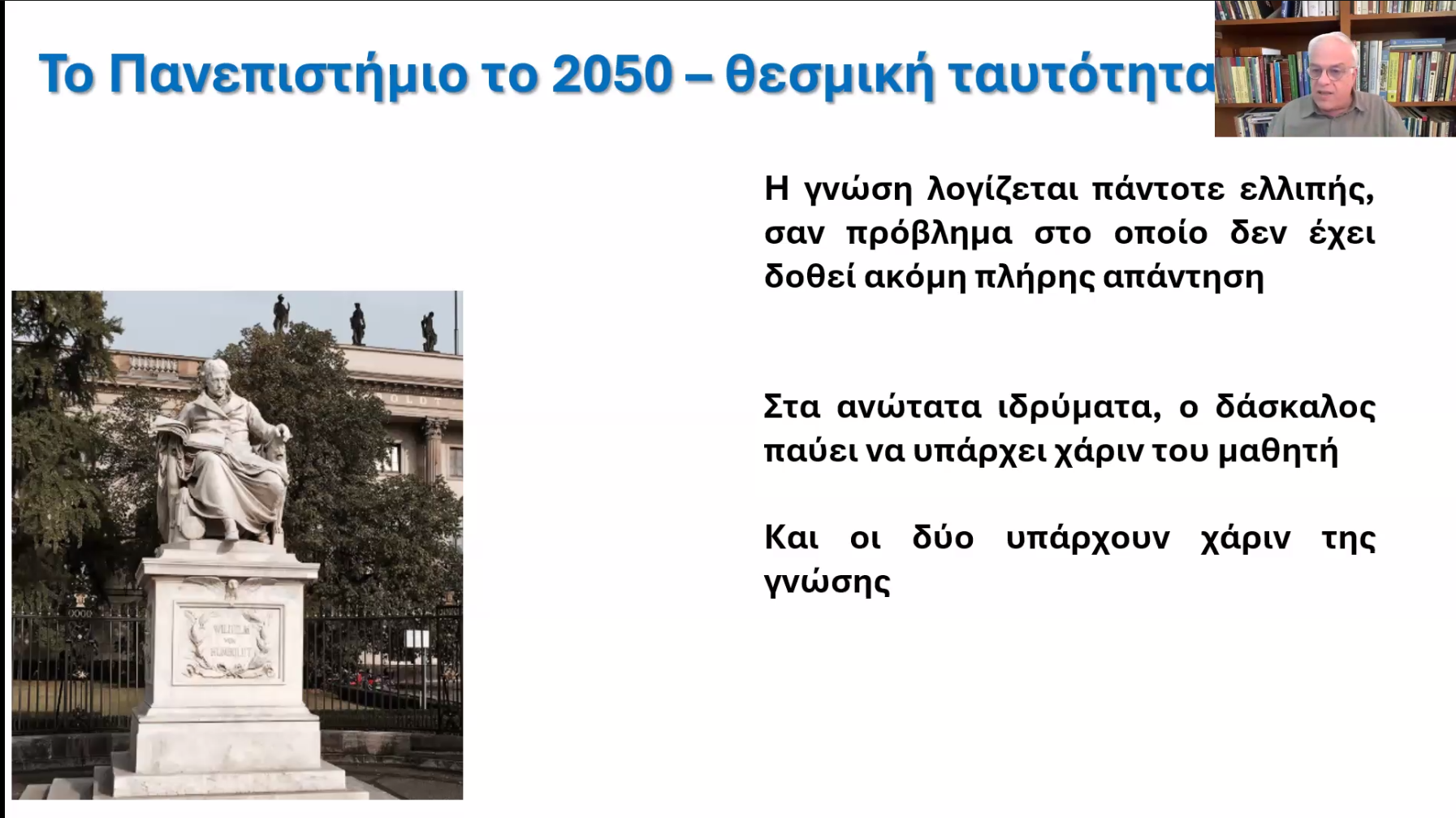
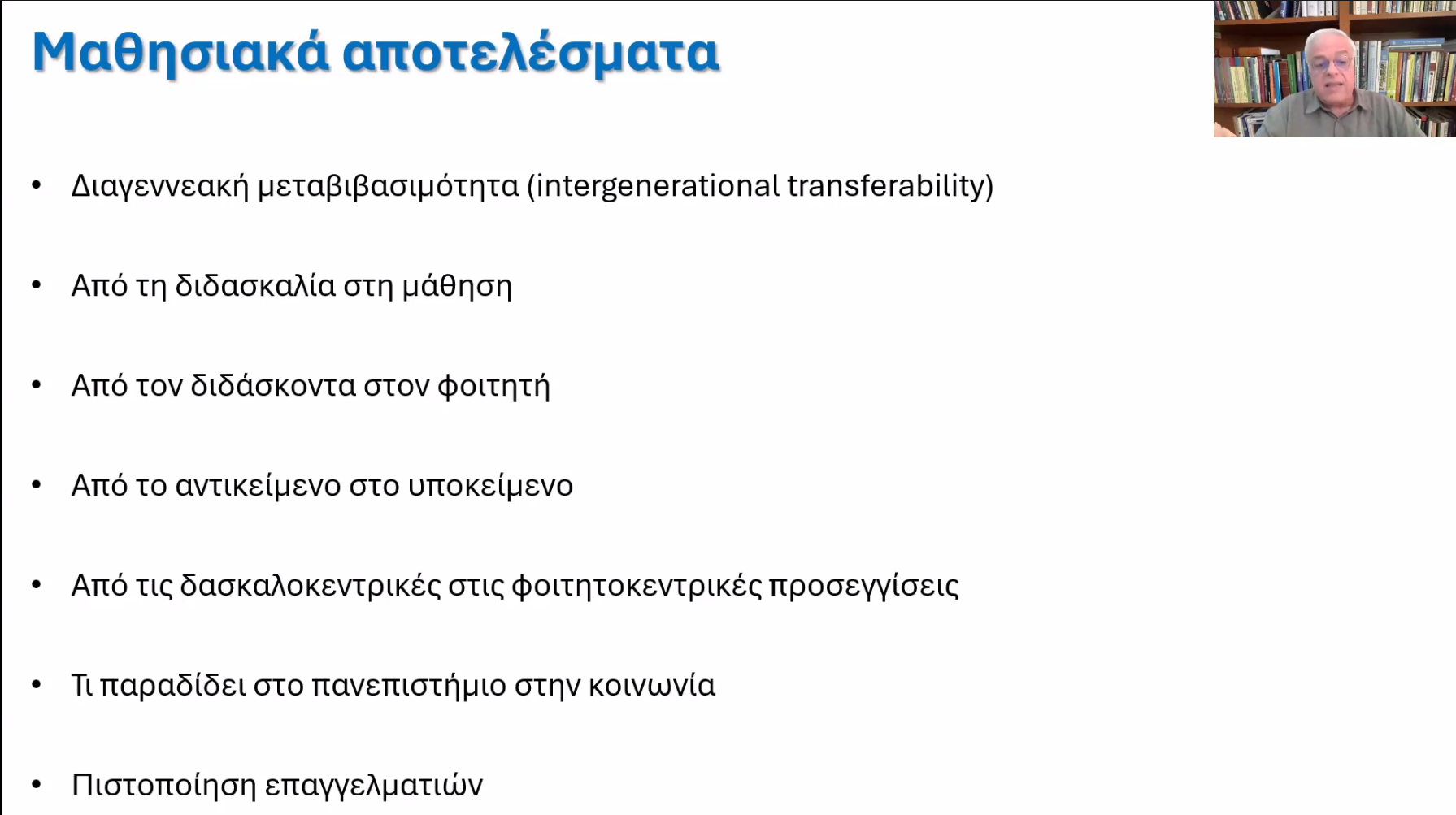
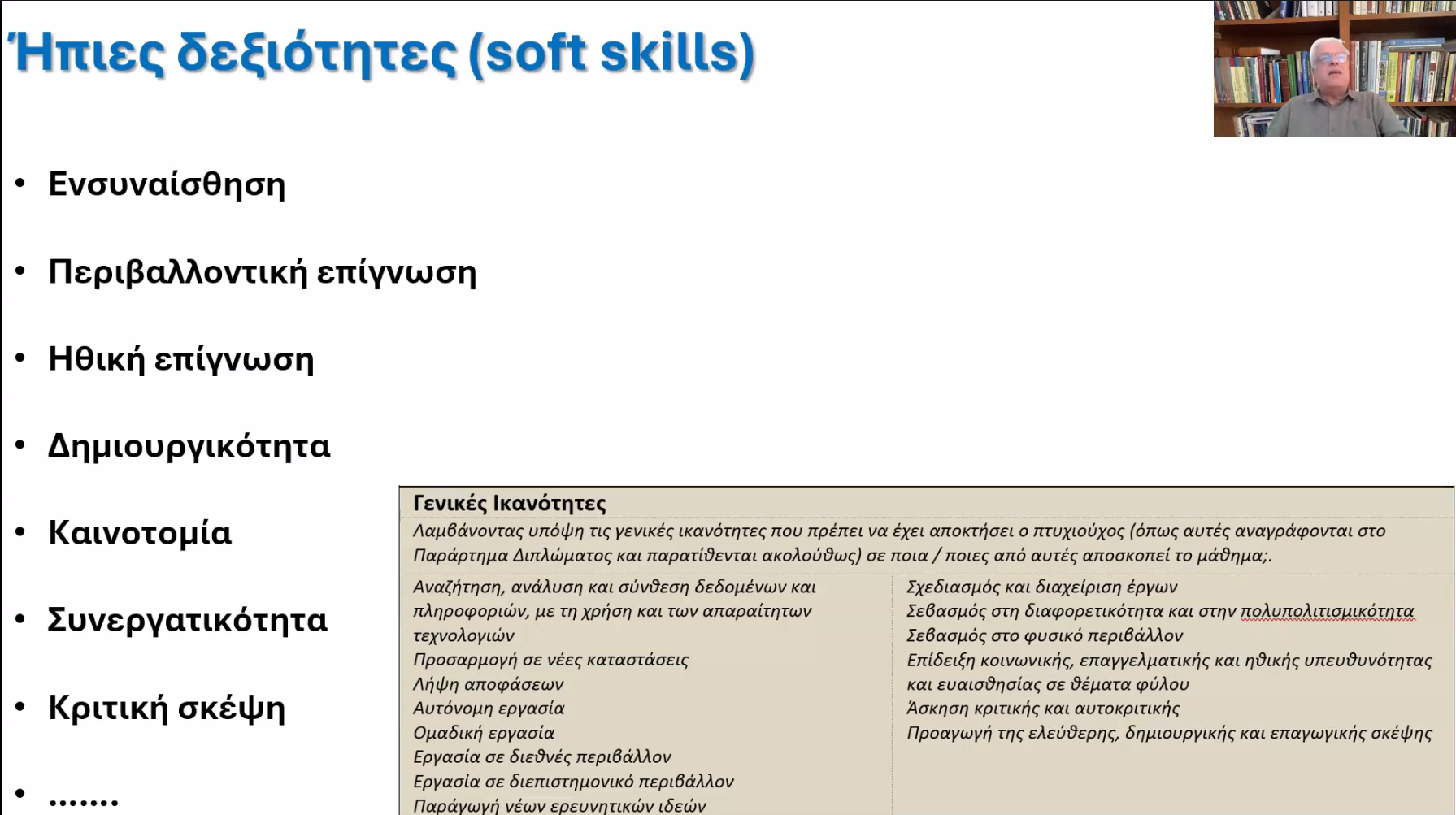
In his presentation, Professor Karalis provided a comprehensive analysis of the report, outlining the historical evolution of UNESCO’s landmark education reports, the major challenges shaping the future of education up to 2050, and the role of higher education within today’s social and technological environment.
Particular emphasis was placed on the need for a new social contract for education, democratic and inclusive education systems, and the challenges emerging from the rapid development of digital technologies and artificial intelligence.
A significant portion of his presentation focused on higher education. Professor Karalis discussed the massification of access to universities, noting that higher education no longer serves only a small segment of the population but is gradually becoming an educational level accessible to all.
This development has profound educational implications. As universities welcome increasingly diverse and larger student populations, they can no longer rely exclusively on traditional, teacher-centered approaches. Instead, student-centered methodologies, active learning practices, meaningful support for academic staff, and the systematic development of university education are becoming essential.
Within this context, the important role of Teaching and Learning Support Centers was highlighted. These centers can contribute significantly to the pedagogical transformation of universities by supporting instructors, fostering innovative teaching practices, and enhancing the quality of the student learning experience.
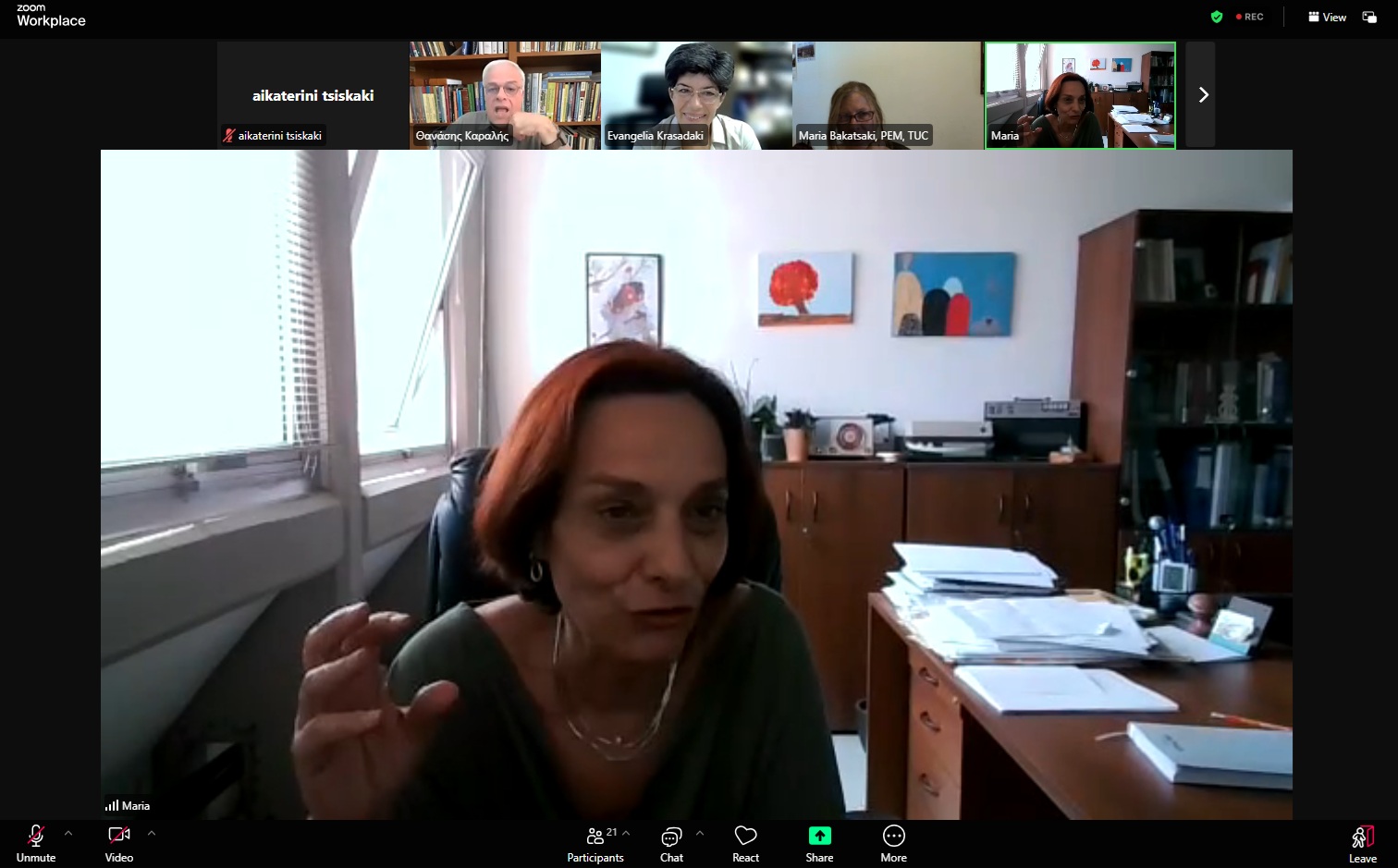
The event concluded with a discussion and exchange of views among participants. Key topics included critical thinking in the age of artificial intelligence, the need to redesign teaching practices, the use of project-based learning approaches, connecting education with real-world problems, and strengthening more inclusive and student-centered approaches in higher education.
Special attention was given to the fact that higher-order skills, such as critical thinking, collaboration, creativity, and the responsible use of technology, cannot be effectively developed through exclusively traditional or memorization-based teaching methods. Instead, they require active, participatory, and reflective pedagogical practices.
The event demonstrated that the dialogue on the future of education extends beyond educational institutions and concerns society as a whole. Education in 2050 is called upon to be more collaborative, more democratic, more inclusive, and more responsible toward people, society, and the planet.
Useful Links
The Greek edition of the UNESCO Report is available digitally through the following resources:
Presentation Slides (PDF|GR)