

 News about the Technical University of Crete RSS feed
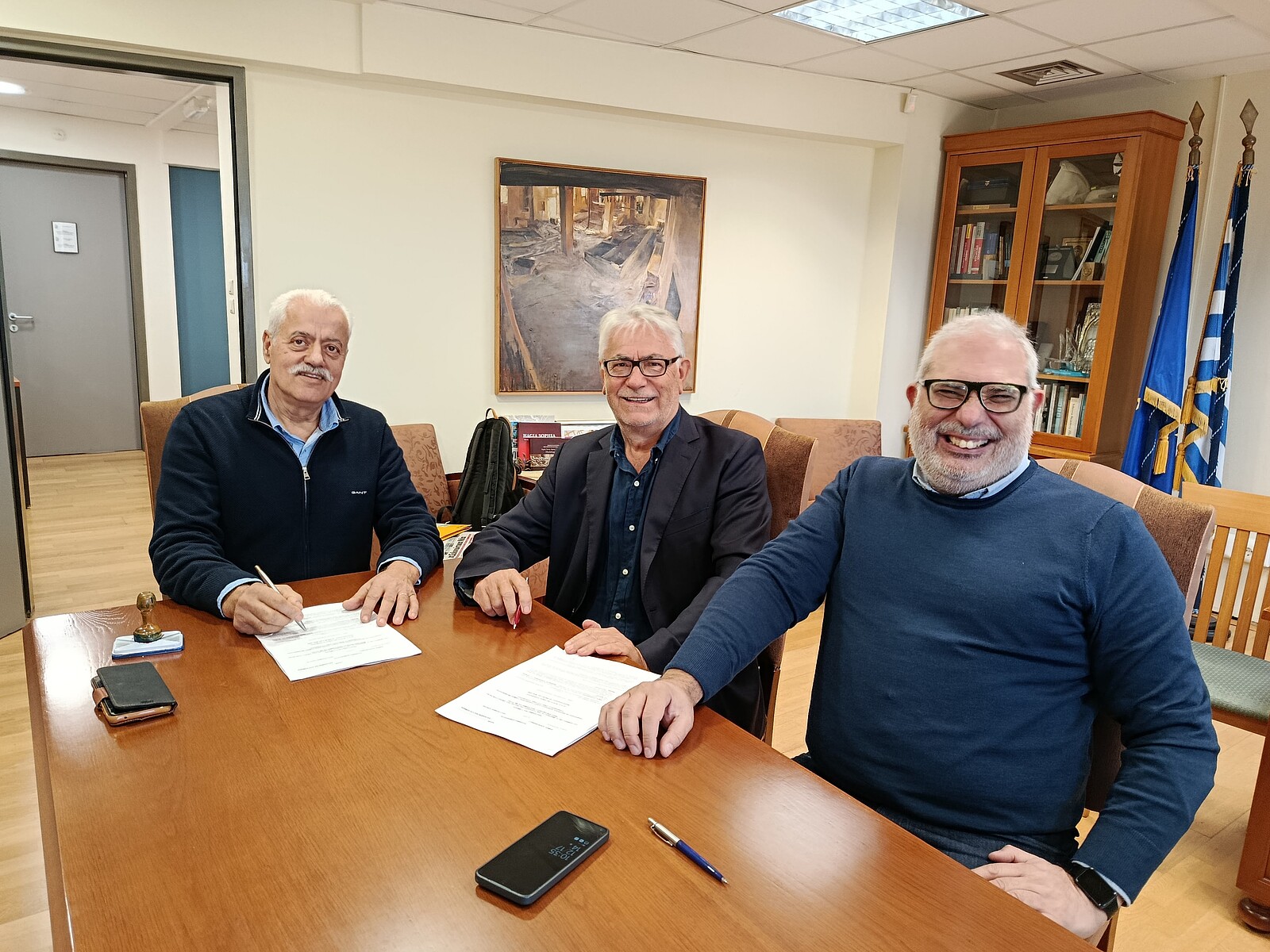

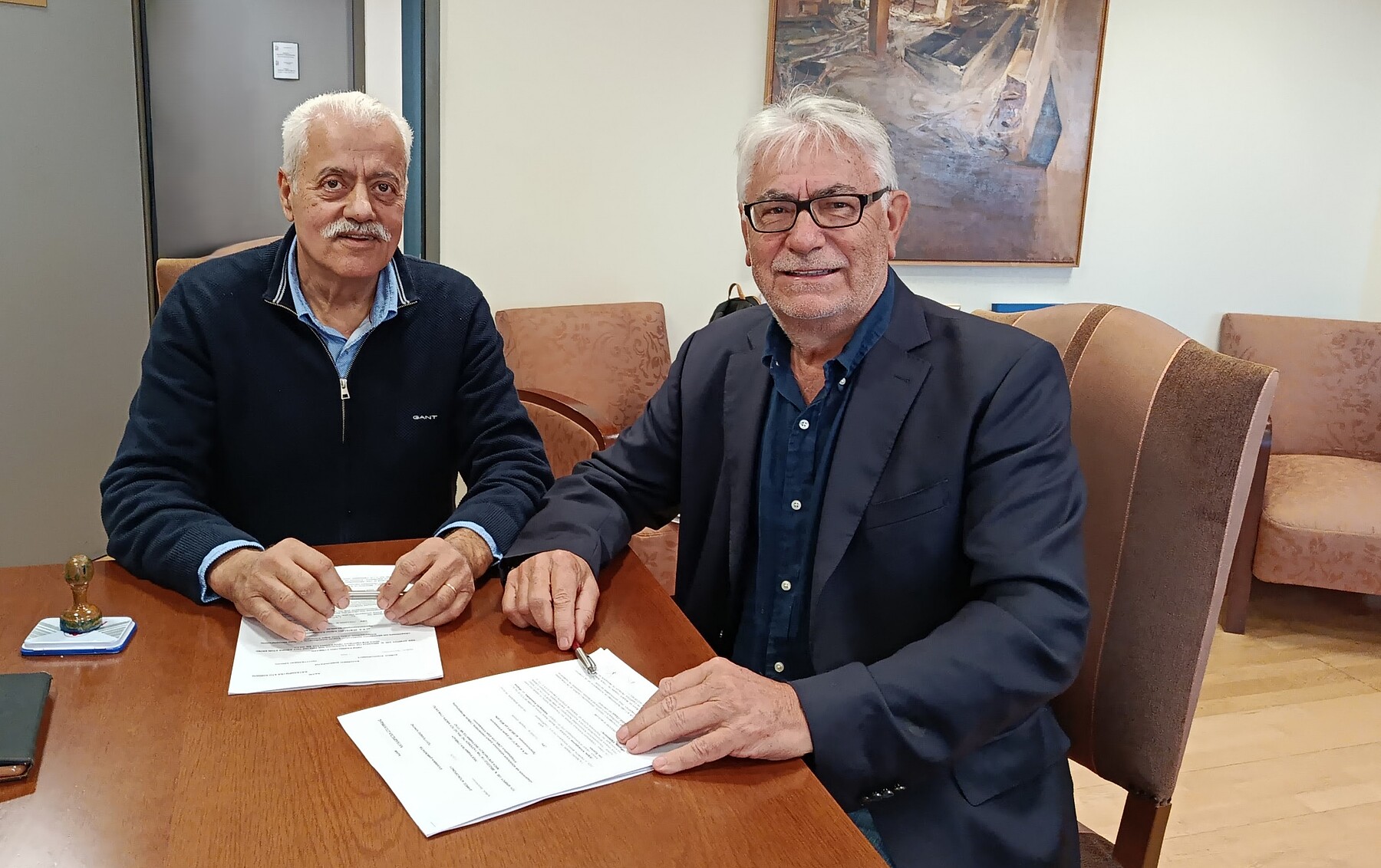
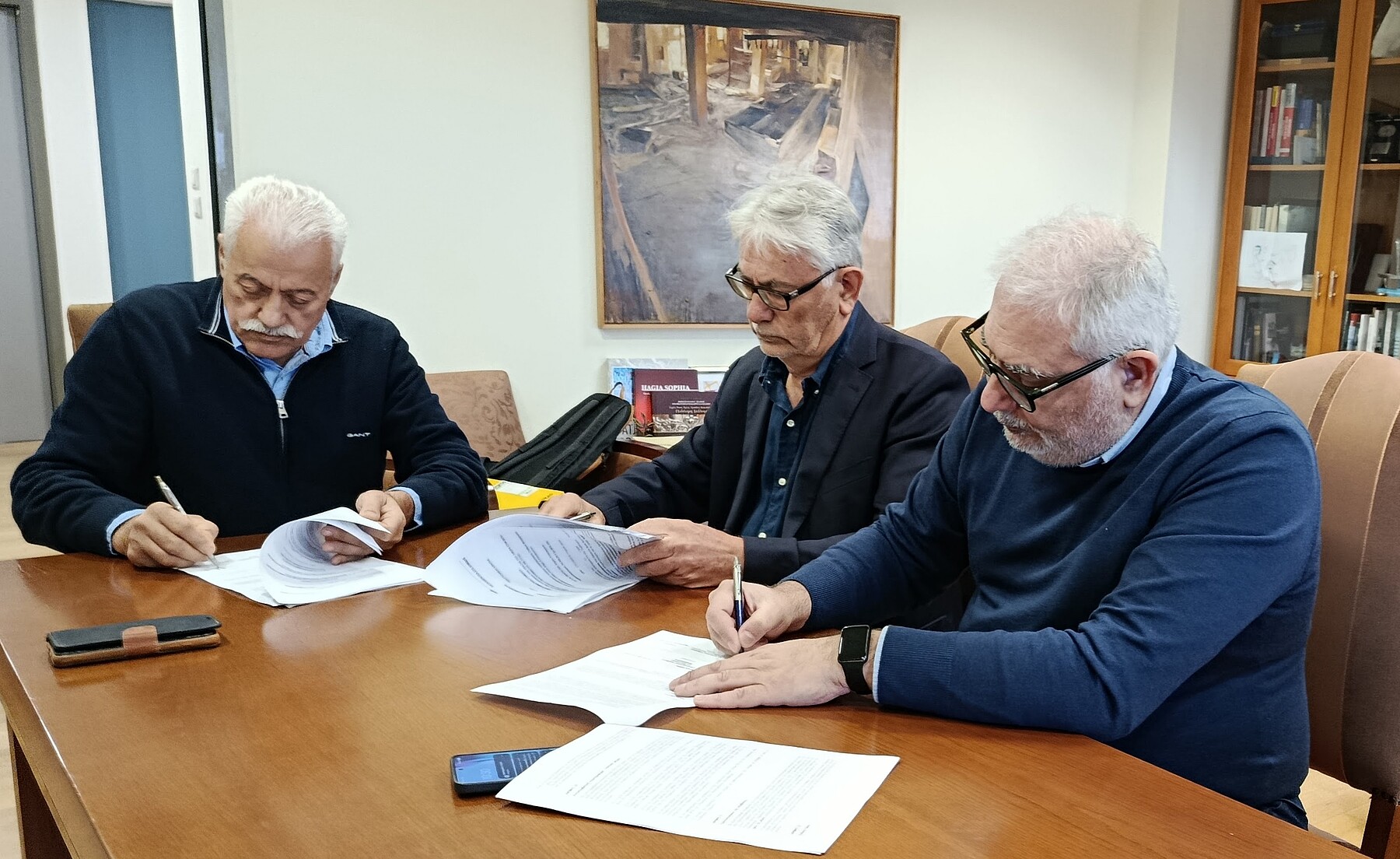
A Programmatic Agreement has been signed between the Municipality of Apokoronas and the Technical University of Crete for the siting of a Waste Transfer Station (WTS).
The Programmatic Agreement entitled “Investigation and Evaluation of Suitable Sites for the Installation of a Waste Transfer Station (WTS) in the Municipality of Apokoronas” was signed on Wednesday, 17 December 2025, at the Rectorate of the Technical University of Crete by the Vice Rector of Research and Innovation, Professor Konstantinos-Alketas Ouggrinis, the Scientific Supervisor of the project, Professor Emeritus Evangelos Gidarakos of the School of Chemical and Environmental Engineering at the Technical University of Crete and the Mayor of Apokoronas, Charalambos Koukianakis.
The selection of suitable sites for the installation of a WTS is a demanding process, as it stems from the evaluation of multiple parameters (both environmental and non-environmental) and the optimization of criteria imposed by legislative, economic, environmental, public health, and social constraints.
More specifically, key criteria include the availability of sufficient land area, easy accessibility of the site for heavy vehicles, a centrally located position in relation to the service area, the hydrogeological characteristics of the site, and the level of visual impact.
In the search for the most suitable site for the installation of a WTS, multiple alternative options are evaluated among areas that meet the suitability criteria, often utilizing technologically available decision-support tools. Incorrect assessment of site selection criteria may lead to results contrary to those anticipated, causing adverse environmental impacts as well as protests from local communities.
It should be emphasized that the selection of the most suitable site for the installation and operation of a WTS can only be implemented once the characteristics and the required capacity of the necessary facility have been clearly defined.
The activities that will take place at the station, as well as the quantities and flows of waste it will receive, will determine the minimum required land area, which will then be sought while taking into account both current and future needs.