 News about the Technical University of Crete RSS feed

The Technical University of Crete is participating in the new European research project RFCS MINERVA (AI-Enhanced GIS Platform for Environmental Monitoring in Coal Mine Just Transition) as one of eight partners from five European countries. The project is led at the Technical University of Crete by Assistant Professor Emmanouil Varouchakis of the School of Mineral Resources Engineering.
The project officially commenced in September 2026 with a kick-off meeting of the partners at the University of Petroșani in Romania. Co-funded by the European Union through the Research Fund for Coal and Steel (RFCS), the project aims to assess and quantify the long-term environmental risks associated with coal mines in the context of the just transition of lignite- and coal-producing regions.
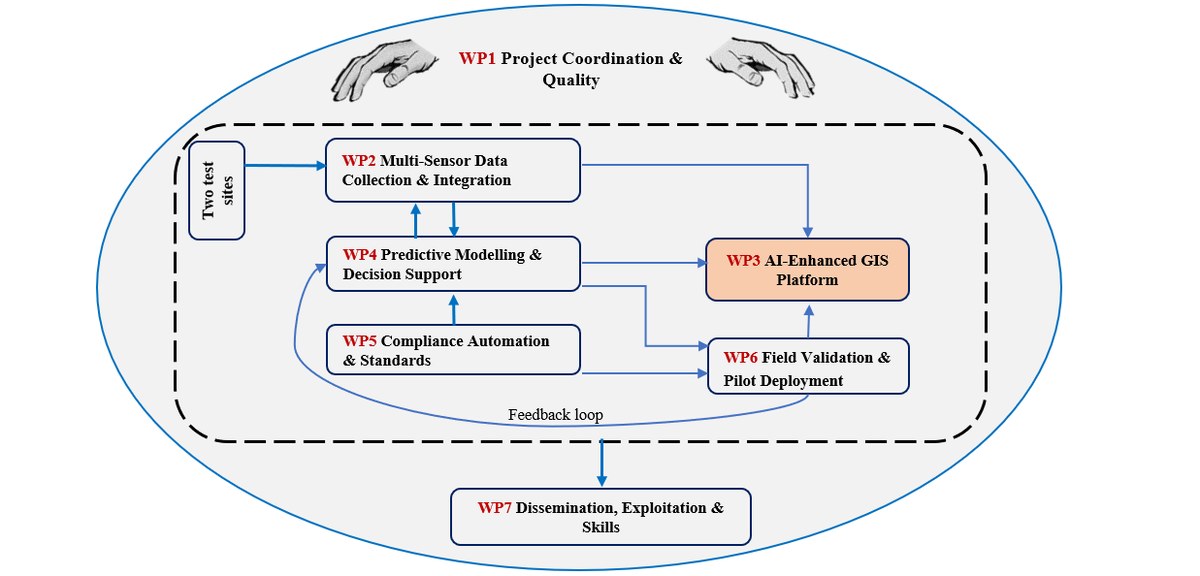
Throughout its implementation, MINERVA will leverage remote sensing technologies, geostatistical methods, artificial intelligence (AI), Geographic Information Systems (GIS), environmental monitoring, and advanced predictive modelling techniques to develop integrated environmental rehabilitation strategies.
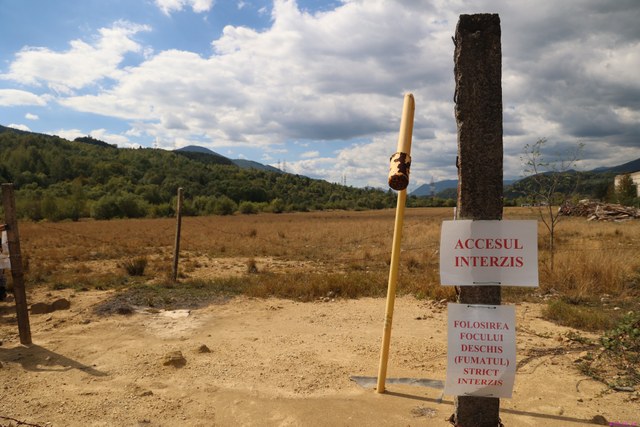
Particular emphasis will be placed on vegetation restoration, runoff and water management, ventilation of underground mining facilities, and the long-term monitoring of environmental impacts. Two coal mines in Romania and Poland will serve as case study sites.
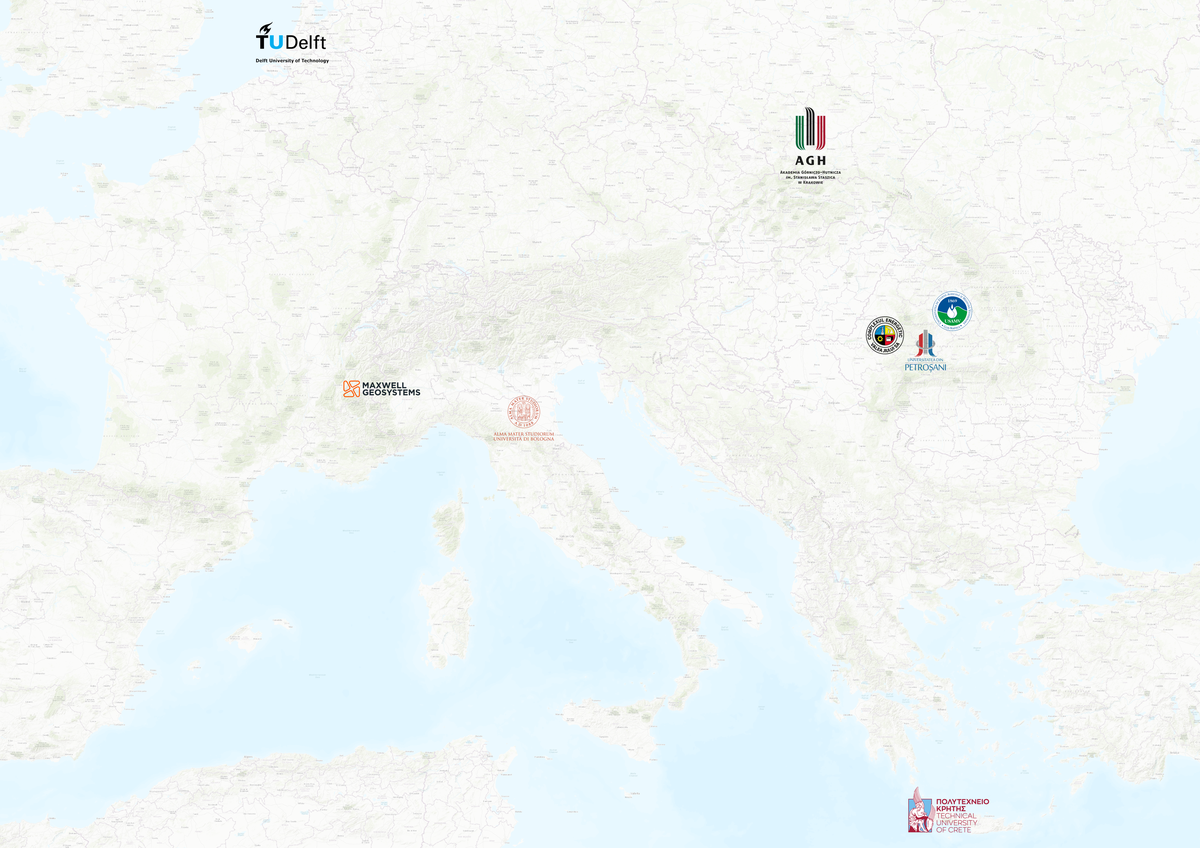
The project is coordinated by the University of Petroșani (Romania), with the participation of the Technical University of Crete (Greece), the University of Bologna (Italy), Delft University of Technology (the Netherlands), AGH University of Krakow (Poland), Maxwell Geosystems Europe (Italy), and the University of Agricultural Sciences and Veterinary Medicine of Cluj-Napoca (Romania).
Through international collaboration and the application of state-of-the-art geostatistical and computational methods, MINERVA aspires to improve environmental monitoring, support the assessment and management of environmental risks, and facilitate the development of sustainable rehabilitation strategies for former mining areas.
For further information and regular updates on project activities, please visit the official website.