 News about the Technical University of Crete RSS feed
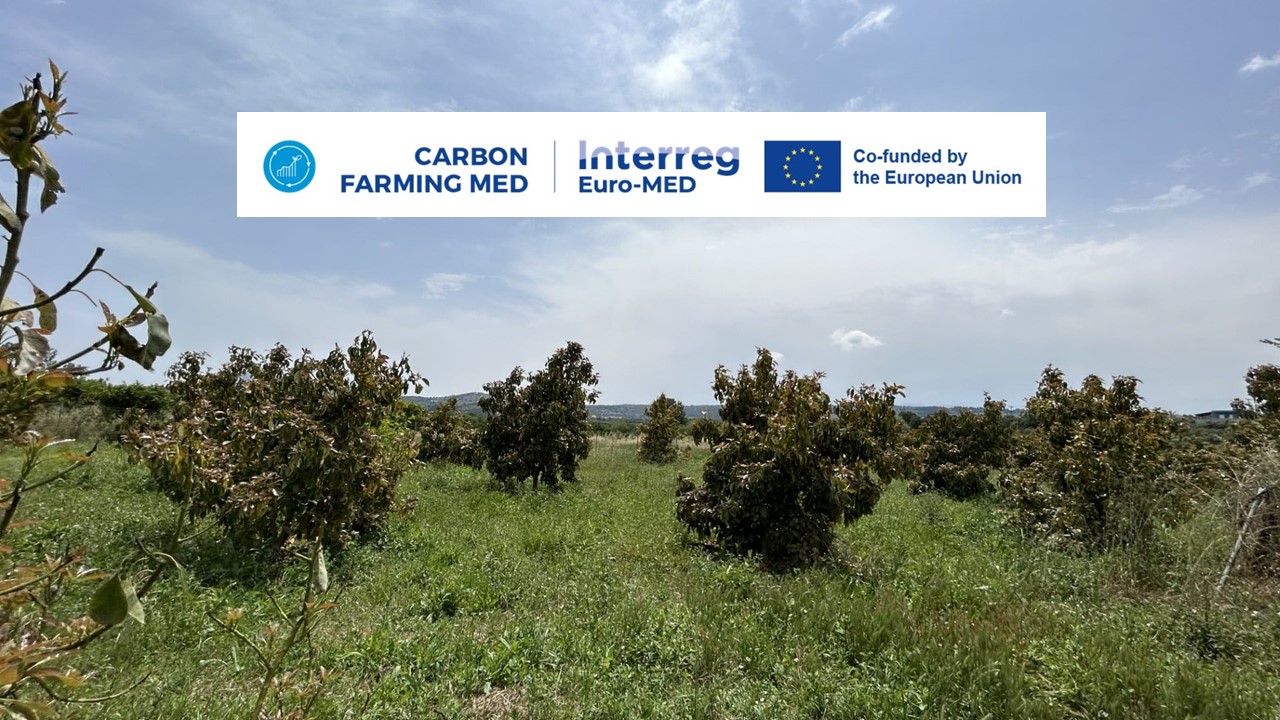

The Technical University of Crete (TUC) participates in the European project Carbon Farming MED, co-funded by the Interreg Euro-MED Programme under the scientific coordination of Professor Nikolaos Nikolaidis, Director of the Hydrogeochemical Engineering and Soil Remediation Laboratory at the School of Chemical and Environmental Engineering.
The transition towards more sustainable and climate-resilient agricultural systems requires practical tools, reliable methodologies and supportive policies. Through its integrated approach, Carbon Farming MED has laid the foundations for the wider uptake of carbon farming practices across the Mediterranean by developing new knowledge, digital tools and policy recommendations.
What it takes to scale carbon farming in the Mediterranean
Scaling carbon farming in the Mediterranean requires more than technical solutions alone. Project findings show that MRV systems must strike a balance between credibility and practical feasibility, ensuring robust climate impact assessment while remaining accessible and affordable for farmers. At the same time, cooperative models and group-based approaches play a key role in reducing costs and administrative burden. Ultimately, the successful uptake of carbon farming depends on the alignment of technology, supportive policy frameworks, and functioning market mechanisms.
From Monitoring to Market: A Digital Platform for Carbon Farming
The project developed a Mediterranean-adapted MRV framework that provides a reliable basis for monitoring, reporting and verifying carbon farming outcomes in Mediterranean conditions. Building on this framework, the Carbon Farming MED platform translates these principles into practical, actionable tools. Recognised as the first MRV platform tailored specifically to Mediterranean climatic and agronomic conditions, it enables farmers, cooperatives and project developers to design, monitor and validate carbon farming projects within a single integrated environment. Users can map plots, assess soil carbon sequestration and the avoided GHG emissions potential under improved management practices, such as regenerative agriculture, and monitor progress over time against baseline scenarios, providing reliable data to support decision-making and project reporting.
The platform assesses both soil carbon sequestration and greenhouse gas emissions, while helping users meet certification and verification requirements, demonstrate project credibility and access voluntary carbon markets.
To support market uptake, the platform integrates a connection space with the marketplace developed under the INNO4CFI project, bringing together carbon credit developers, buyers and investors. It enables project developers to explore commercial opportunities and connect with potential investors, helping turn sustainable farming practices into an additional source of income and unlock the economic potential of carbon farming in the Mediterranean.
Towards impact and legacy: enabling uptake beyond the project
In parallel, the project is contributing to policy discussions at both EU and national levels. Preliminary findings highlight the need for clear and stable governance frameworks that support the long-term uptake of carbon farming and strengthen coordination between climate, environmental and agricultural policies. They also underline the importance of improving data availability and interoperability, as high-quality, Mediterranean-specific data remains essential for cost-effective monitoring and verification. To accelerate adoption, policymakers should raise awareness amongst farmers about these practices, support knowledge dissemination through expert advisory services, and facilitate connections between farmers in order to support collaboration and decrease costs. To unlock the potential of carbon farming, policymakers should build long-term demand for farmers and ensure that emerging carbon markets reward practices that deliver real climate benefits while protecting biodiversity, soil health and rural livelihoods.
The project’s legacy will continue through ongoing collaboration between BETA Technological Centre, Azolla Projects and initiatives such as INNO4CF, supporting the further development of the platform, including marketplace functionalities, and enhancing its long-term relevance and usability.
Laying the groundwork for widespread adoption
By combining scientific knowledge, digital innovation and policy guidance, Carbon Farming MED has helped turn carbon farming into a practical and scalable solution for Mediterranean agriculture. Its results support the EU’s climate neutrality goals while providing farmers, policymakers and market actors with the tools needed to accelerate adoption and build a credible carbon farming ecosystem across the region. As the project reaches its conclusion, the focus now shifts to ensuring that these results are taken up and applied in practice, supporting the wider deployment of carbon farming initiatives throughout the Mediterranean.