
 Συμβαίνει στο Πολυτεχνείο Κρήτης σε ροή RSS




Το Πολυτεχνείο Κρήτης, ιδρυτικό μέλος του Ευρωπαϊκού Πανεπιστημίου για την Υπεύθυνη Κατανάλωση και Παραγωγή (EURECA-PRO), διοργανώνει μια σειρά ανοικτών επιστημονικών διαλέξεων με στόχο την ενίσχυση της συνεργασίας μεταξύ φοιτητών, ερευνητών και καθηγητών από όλα τα συνεργαζόμενα ιδρύματα του EURECA-PRO.
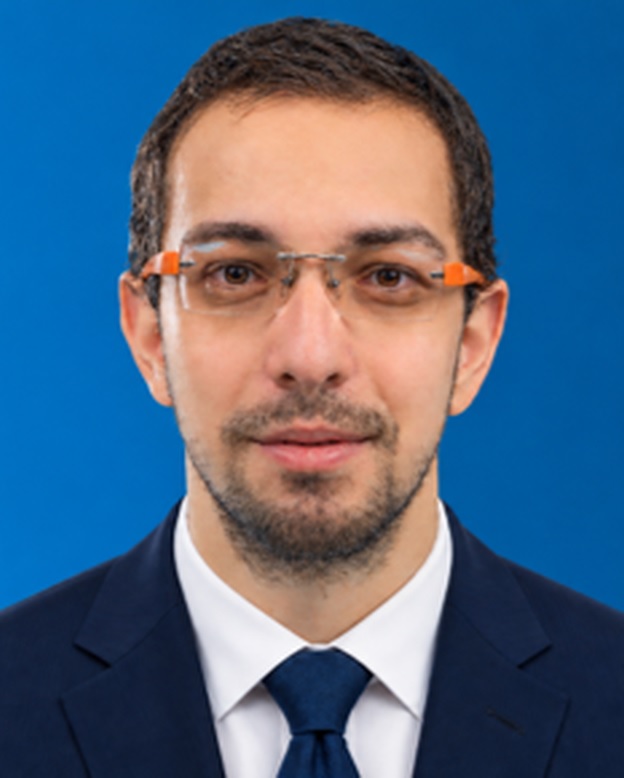
Στις επόμενες διαλέξεις της σειράς θα συμμετάσχουν οι Hafsa Siddiqui και Ahmed Mahmoud, αμφότεροι ερευνητές στο πανεπιστήμιο-εταίρο του EURECA-PRO TU Bergakademie Freiberg (TUBAF) στο Freiberg της Γερμανίας. Οι διαλέξεις φιλοξενούνται από τη Σχολή Μηχανικών Παραγωγής και Διοίκησης (ΜΠΔ) του Πολυτεχνείου Κρήτης, ως μέρος του μαθήματος «Βιομηχανικά Ρομπότ», το οποίο διδάσκεται στο Πρόγραμμα Μεταπτυχιακών Σπουδών «Σχεδίαση και Παραγωγή Προϊόντων» (PRODES). Οι δύο ερευνητές επισκέπτονται το Πολυτεχνείο Κρήτης με χρηματοδότηση από το πρόγραμμα ERASMUS+ (Κινητικότητα Προσωπικού για Επιμόρφωση).
Η διάλεξη της Hafsa Siddiqui έχει τίτλο
"From Collaborative Robots to Shared Autonomy: Towards Intelligent Robot Cooperation"
Η διάλεξη του Ahmed Mahmoud έχει τίτλο
"Humanoid Robots for Human–Robot Collaboration in Industrial Environments"
Οι διαλέξεις έχουν προγραμματιστεί για την
Τετάρτη 25 Νοεμβρίου 2026 στις 18:30
και η παρακολούθησή τους μπορεί να γίνει διαδικτυακά μέσω του παρακάτω συνδέσμου τηλεδιάσκεψης zoom.
https://tuc-gr.zoom.us/j/5916495419?pwd=SE9NanFkcEJ2aURHSERMQUlrenJCZz09
Οι διαλέξεις είναι ανοιχτές σε όλα τα ενδιαφερόμενα μέλη της Πολυτεχνικής Κοινότητας και του EURECA-PRO.
Περιλήψεις
From Collaborative Robots to Shared Autonomy: Towards Intelligent Robot Cooperation
Flexible manufacturing increasingly requires multiple robots to share workspaces, resources, and tasks. Without awareness of partners’ trajectories or intentions, independently planned motions may conflict, causing collision risks, interruptions, and inefficient resource use. This lecture examines the transition from collaborative robotics towards shared autonomy through three ongoing experiments: supervised stopping and replanning on a real UR5, localized repair of predicted UR5–UR7e trajectory conflicts in simulation, and global RGB-D perception for workspace awareness. It concludes by discussing how shared environmental representations and cooperative decision-making could enable more adaptive and efficient robot cooperation in dynamic industrial environments.
Humanoid Robots for Human–Robot Collaboration in Industrial Environments
This talk introduces our research on humanoid robots for human–robot collaboration in industrial environments. Using the Unitree G1 as a case study, it presents how visual perception and speech interfaces connect to robot actions through ROS 2. Examples from our laboratory illustrate progress in object detection and supervised grasping, alongside the practical challenges of integrating these components. The discussion then considers shared autonomy as a research direction, emphasizing when robots should act independently and when operators should remain involved.
Σύντομα Βιογραφικά
Hafsa Siddiqui is a Research Associate at the Chair of Automated and Autonomous Systems at TU Bergakademie Freiberg, Germany, and holds an M.Sc. in Mechatronics from the University of Siegen. She previously conducted her master’s thesis research at KUKA Deutschland GmbH, focusing on trajectory optimization, model predictive control, and reactive obstacle avoidance. Her current research focuses on autonomous robotic systems, particularly motion planning, multi-robot coordination, perception-based adaptation, and intelligent robotic cooperation.
Ahmed Mahmoud is a Research Associate and Doctoral Researcher at the Chair of Automated and Autonomous Systems at TU Bergakademie Freiberg, Germany. His doctoral research focuses on shared autonomy for human–humanoid collaboration in industrial environments, using the Unitree G1 platform to develop and integrate visual perception, speech interfaces, and robot control through ROS 2. His current research also investigates edge AI for onboard perception and decision-making, with an emphasis on reliability and human oversight.
Η εκδήλωση ενδέχεται να βιντεοσκοπηθεί και να μεταδοθεί ζωντανά και θα ληφθεί φωτογραφικό υλικό. Το ψηφιακό υλικό θα προβληθεί στις ιστοσελίδες και στα επίσημα κανάλια του Πολυτεχνείου Κρήτης, του EURECA-PRO TUC και του EURECA-PRO και θα δημοσιοποιηθεί στα μέσα κοινωνικής δικτύωσης, σε δελτία τύπου και σε newsletters. Για οποιοδήποτε θέμα σχετικό με τα προσωπικά σας δεδομένα, μπορείτε να ενημερωθείτε μέσω της σελίδας με την πολιτική προστασίας προσωπικών δεδομένων του Ιδρύματος.
EURECA-PRO is funded by the European Union under the Grant Agreement No 101124439 "EURECA-PRO 2.0". Views and opinions expressed are however those of the author(s) only and do not necessarily reflect those of the European Union or the European Education and Culture Executive Agency (EACEA). Neither the European Union nor EACEA can be held responsible for them.